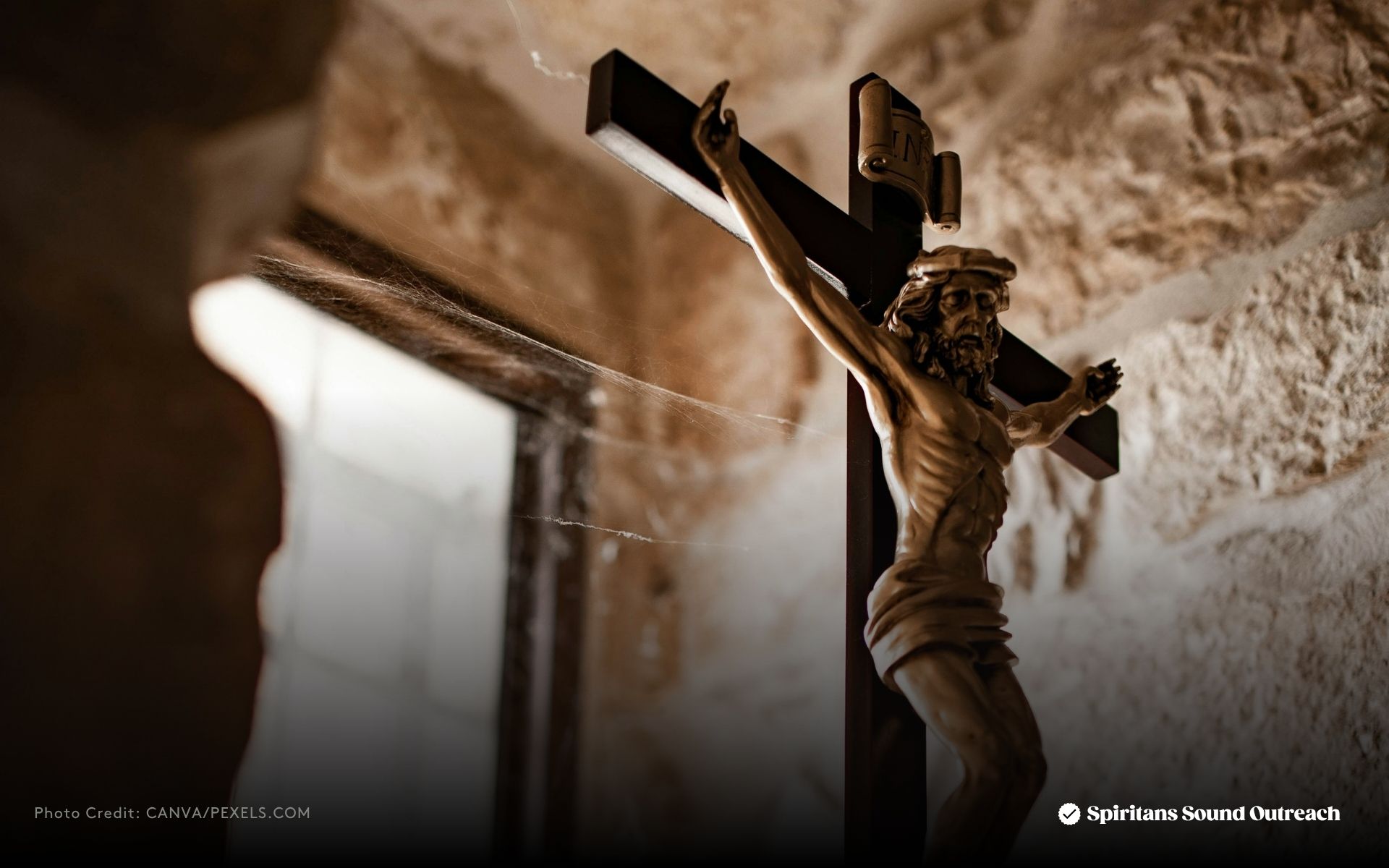



Dear friends in Christ, we are the people of resurrection. What this means for us is that the sorrows and pains of hopelessness have been replaced by the joy of hope, courage and faith. We are reminded of the Psalm that says “weeping may endure at night, but joy comes with the dawn.” The period of mourning the death of our Lord is over. Truly, there was a total darkness on the face of the earth because the Lord slept in the flesh. But then joy comes with the dawn; the Easter Sunday morning.
Many of us may have been weeping like Mary Magdalene in disbelief in the promises of God. But eventually God fulfills his promises. Mary Magdalene is told today to stop weeping because there is a joy that overcomes the sorrows of disbelief. It is a joy that overcomes the pain of death. Death is conquered.
In the first reading, the people who heard the good news proclaimed by Peter eventually asked “what do we do?” It is a message of hope. We are called to invite others to this joys and hope. We are witnesses like Peter would say. We should invite others to witness it too.
The question “why are you weeping?” Which Jesus asked Mary is one that draws her to her unbelief in what Jesus has said about his resurrection. In a way he asks “didn’t I tell you I will rise from the dead?” So why are you weeping? We must learn to believe in the promises of God. They may be difficult to think about, but they’re not unrealistic with God.
May the Lord bless His words in our hearts. Amen.